
Coverlam® Facades
Innovative Construction Solutions for Any Project
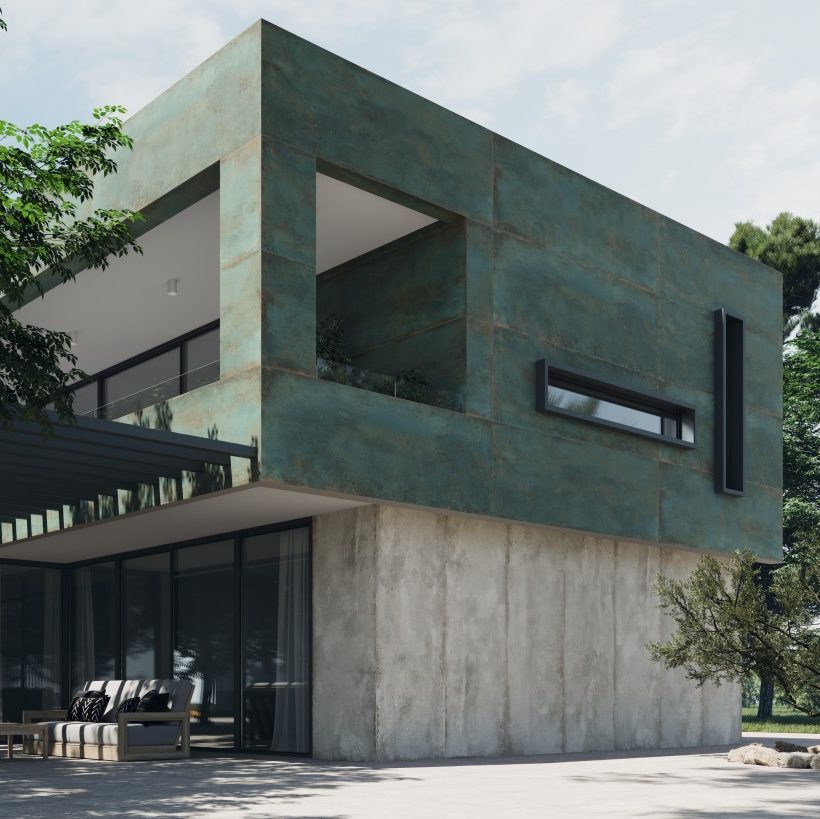
Coverlam can provide innovative construction solutions for any project thanks to its unbeatable technical and aesthetic properties.
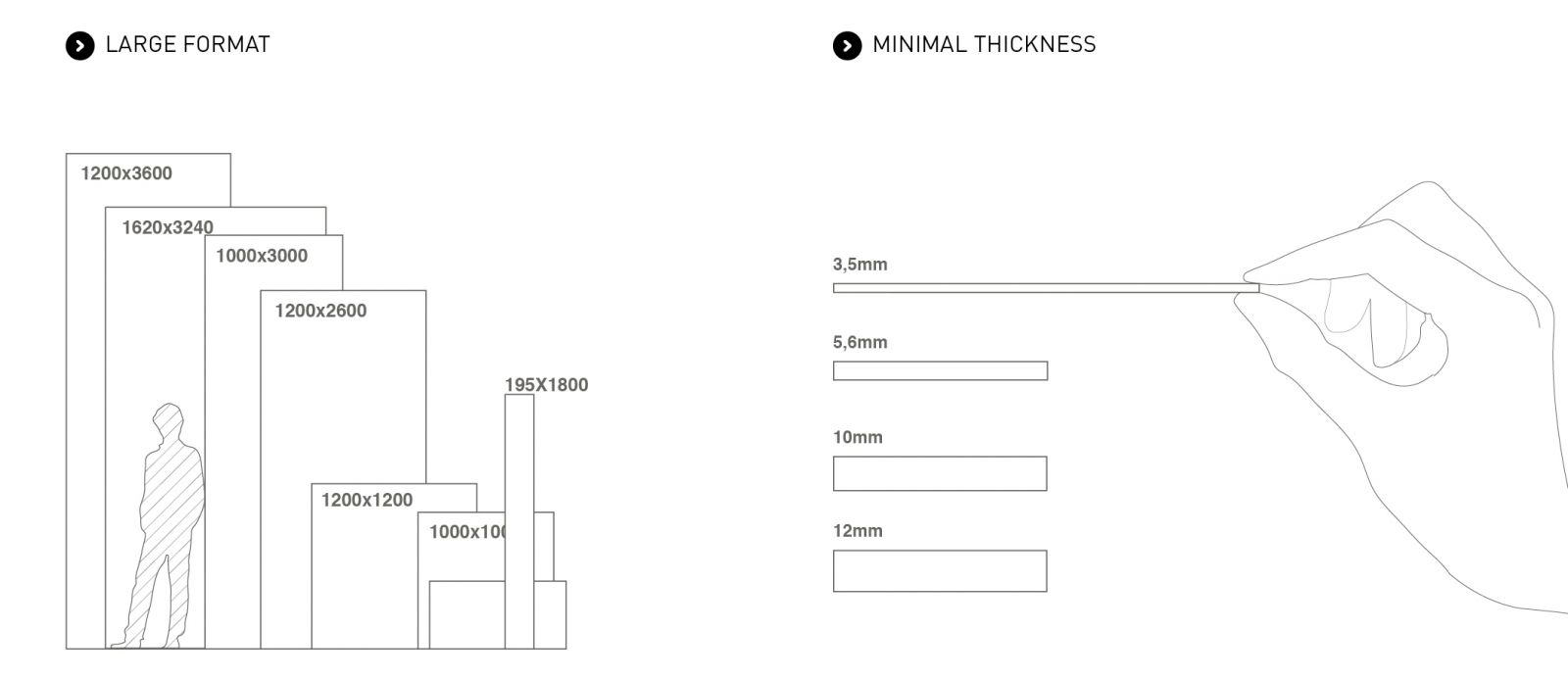
When used on facades, its large format and the variety of sizes available mean the installation can be completed in fewer steps while adapting to the requirements of the planned design.
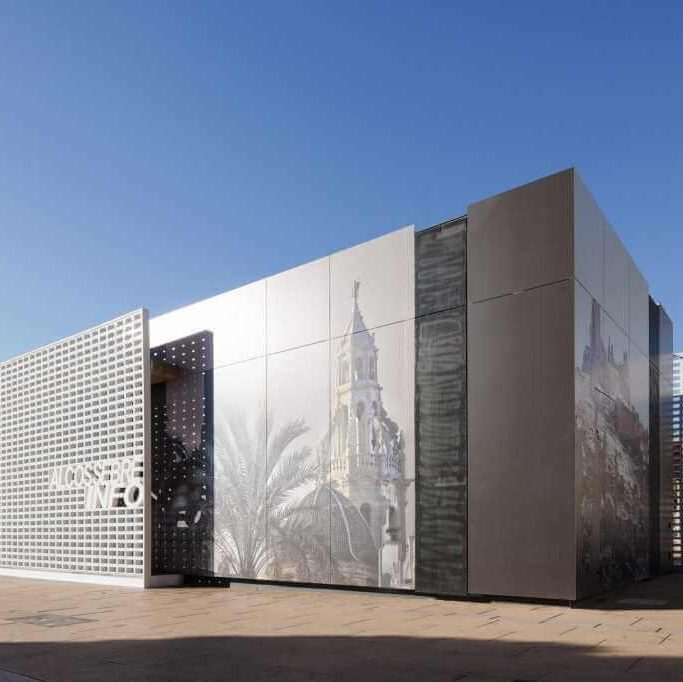
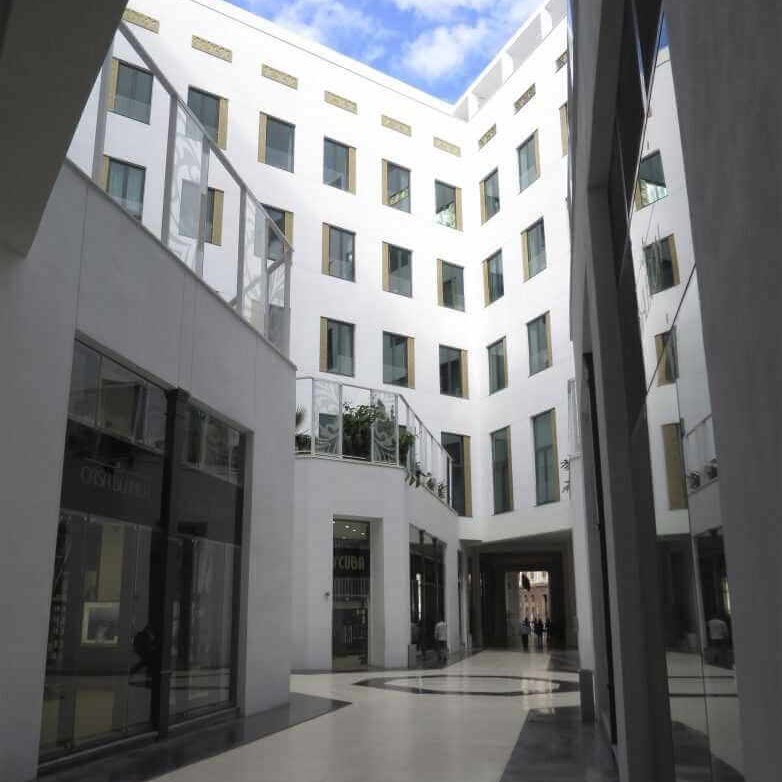
Facade Renovations
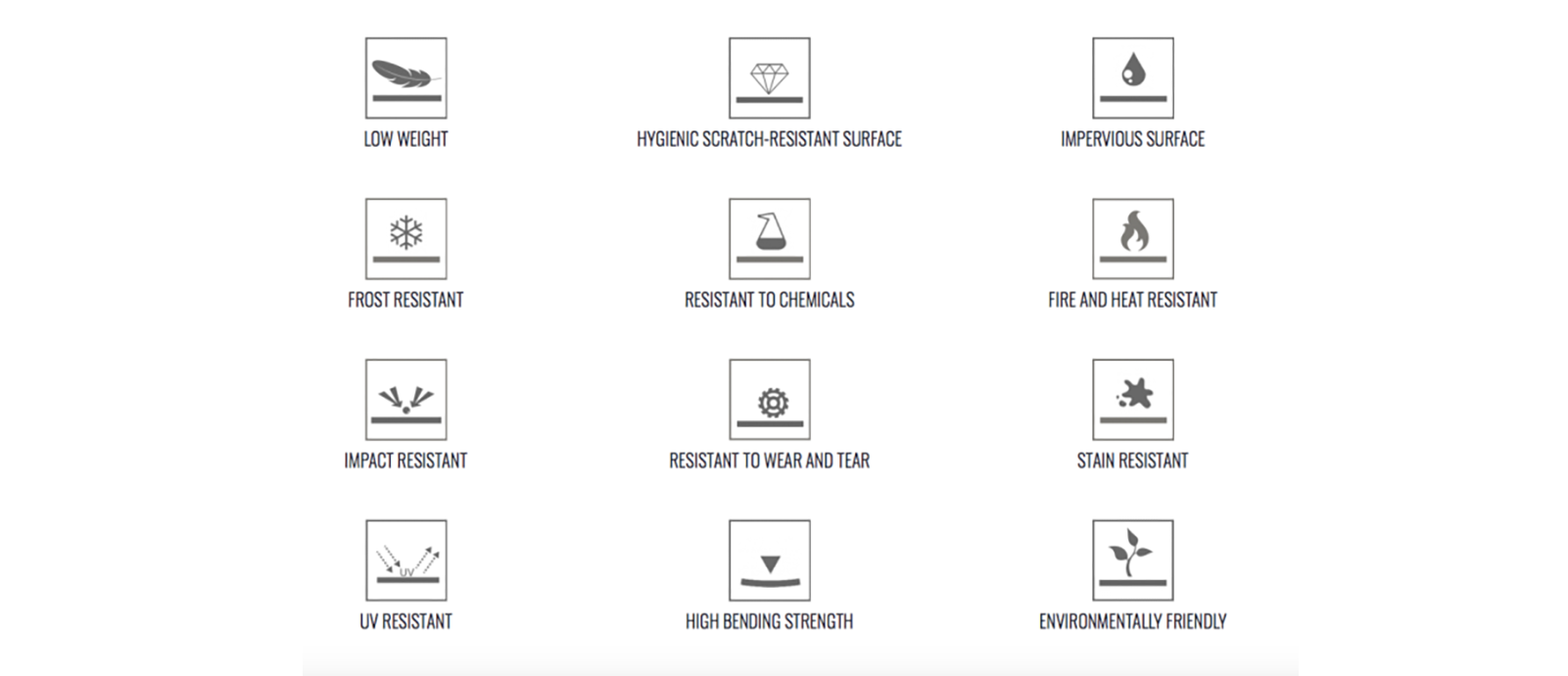
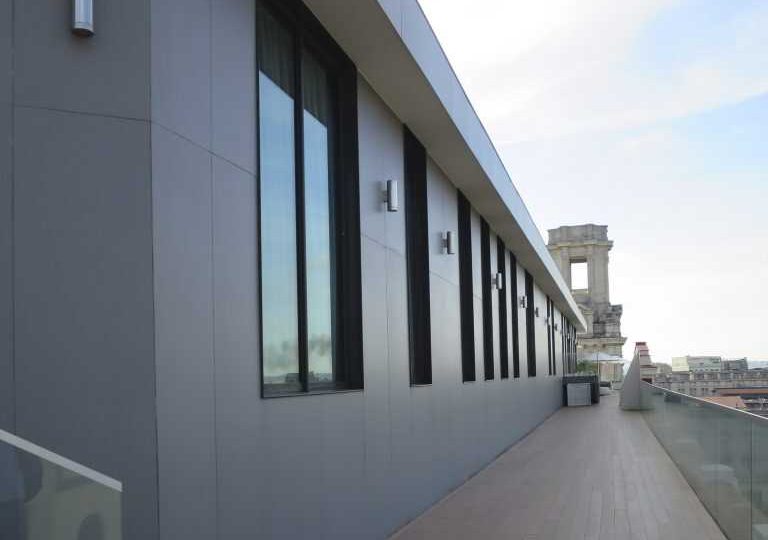
Despite being so thin, Coverlam is able to withstand the stresses that a cladding material for ventilated facades is typically subjected to.
Coverlam, laid on top of the existing material without the need to carry out any demolition work. This does away with the inconveniences typically associated with a facade renovation, such as noise, dust and debris, and means the work can be completed more quickly.
Its minimal thickness and weight facilitate storage and transport, and mean adding less load to the existing structure. overlaying it on any material without the need for demolition.
This way, the typical inconveniences of facade rehabilitation such as noise, dust, and debris are eliminated, reducing the work time.
Its reduced thickness and weight facilitate storage and transportation, adding minimal additional load to the existing structure.
Ventilated Facades
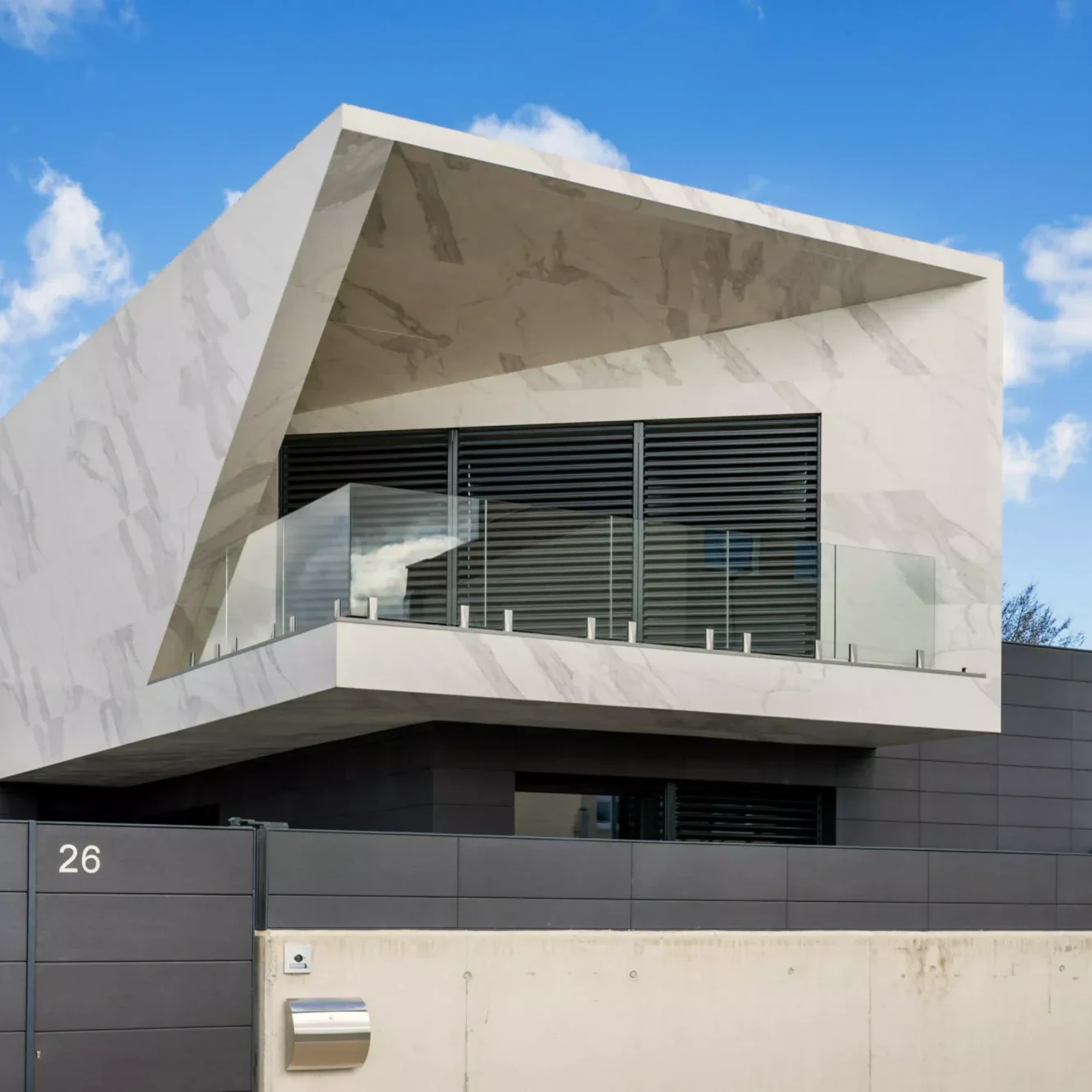
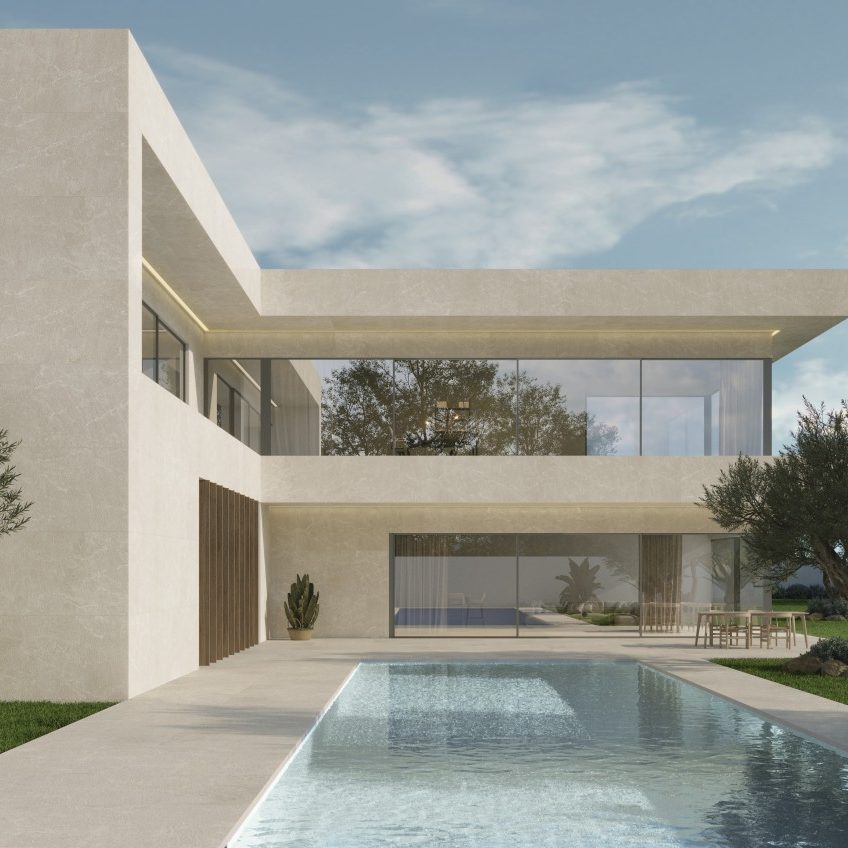
Facades attached with chemical adhesive systems are an innovative solution for installing Coverlam tiles of between 3.5 and 5.6 mm thick. This concealed fix method provides a modern aesthetic by eliminating visible elements, ensuring the facade is perfectly integrated with the architecture.
It offers not only an elegant finish, but also structural resistance complying with high safety standards. Ideal for residential and commercial projects, this system highlights the aesthetic beauty of Coverlam tiles while ensuring durability and efficiency.
Facade Maintenance
Since it is so easy to handle on site and to install on the facade, using Coverlam means that the replacement problems that usually occur during the maintenance of a ventilated facade are far less of an issue.
In addition, the renovation of facades using our H&C Tiles treatment for Coverlam is a key factor in the elimination of air pollution, especially NOx. The photocatalytic feature of the H&C Tiles treatment also has a self-cleaning function; the hydrophilic properties of the surface and the release of active oxygen help eliminate any organic dirt that may have stuck to the facade.
Coverlam Facade Collections
There is a wide range of collections for facade renovations, designed to revitalise exteriors while providing durability, energy efficiency and a modern style.
Please get in touch with us to view the full range.
Grespania Coverlam Technical Information
As a versatile 360º material, Grespania Coverlam continues to expand its large-format tile collection by introducing new thickness options for countertops, including 10.5mm, 12mm, and 20mm.
These increased thicknesses significantly enhance strength and durability, making Coverlam tiles an ideal choice for external surfaces that require extra resilience.
Despite its ultra-thin and large-format design, Coverlam tiles are incredibly easy to cut, handle, and install, allowing for quicker renovations and construction projects while reducing costs.
When installed by professionals using the right tools, Coverlam tiles guarantee exceptional quality, strength, and contemporary design.
Facts About Facades!
Let's Talk about Your Facade Project Together
Get in touch to discuss your façade requirements, whether you’re planning a large-scale commercial development or a residential renovation project.
La Fabrico provides expert guidance, competitive pricing and a consistently high level of service across the UK. You can view the Coverlam collections in our Exeter and Chard showrooms, or we can arrange a site visit at your premises.
Contact our team to book an appointment and take the next step with confidence.
